Hang High, Hang Wide
Mount your rod as close to the ceiling as the bracket allows, and extend it well past the window frame. A tall, wide window treatment is the single most effective trick to make a room feel larger, taller, and more considered.

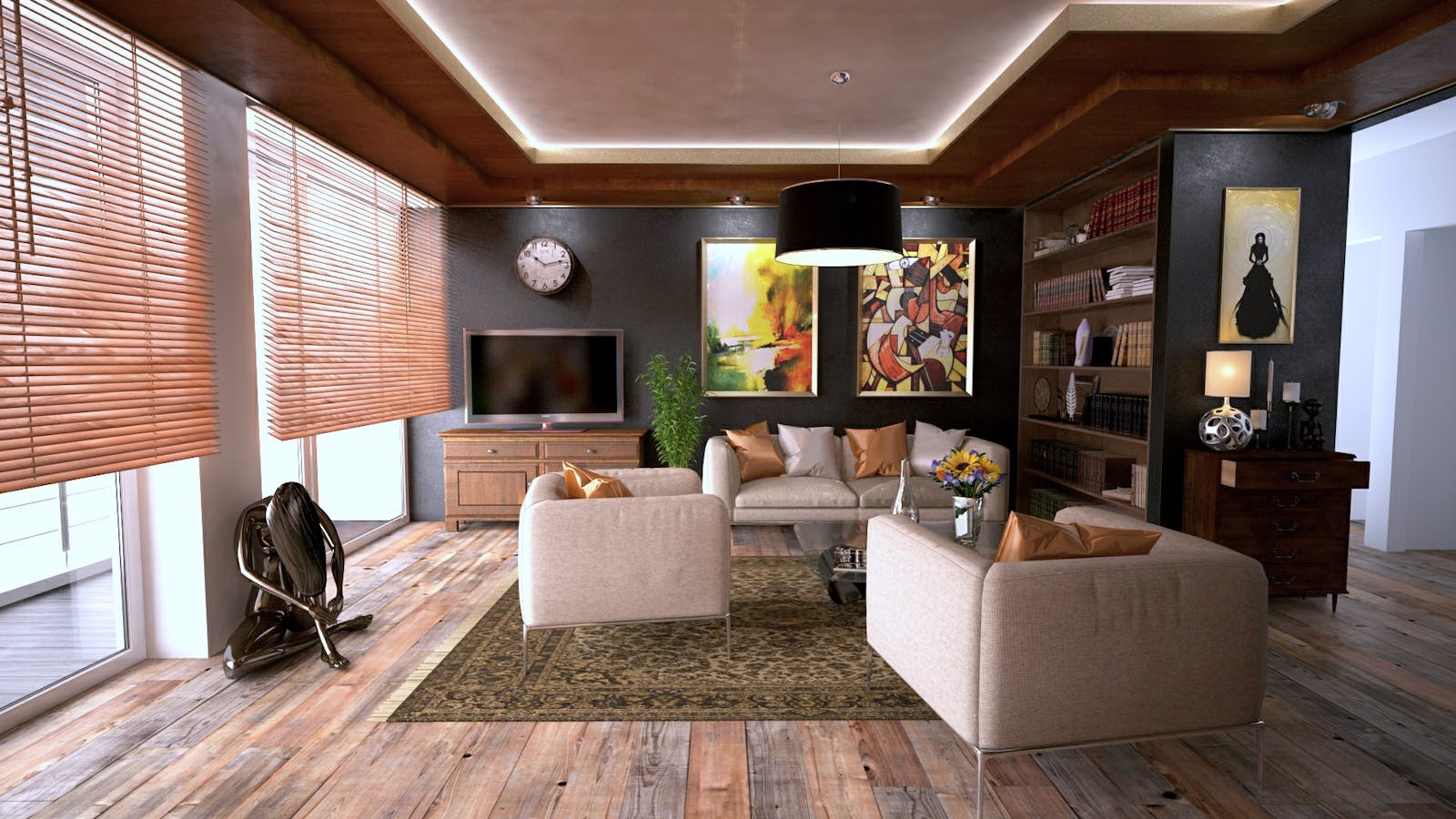
A considered, step-by-step guide to dressing your windows with the precision of an interior designer — from the first measurement to the final, considered pleat.
Begin the guideCustom drapery is more than fabric hung from a rod — it is the soft architecture of a room. The way it falls, pools, and filters the light is what turns a house into a home.
This guide distills what we have learned, panel by panel, with the same precision our workrooms apply to every stitch. Take your time with each step. The reward is a window that looks tailor-made, because it is.
— The ViewTailor Studio

Six chapters, each one a quiet step closer to a window that looks tailor-made.
Tools, materials, and the four measurements that decide the rest.
Seven quiet steps, from marking the wall to the final, considered pleat.
Four design rules we have learned from thousands of dressed windows.
The queries our consultants hear most, answered plainly.
Order a sample book and start the conversation in your own light.
How to wash, steam, and refresh your drapery once it is hung.
Set yourself up properly and the rest of the installation will unfold with ease. A tape measure, a level, and a little patience are the only things standing between you and a window that looks professionally dressed.
Steel tape measure
A 25-foot cloth or steel tape for accurate span measurement.
Spirit level (4-foot)
A long level keeps your rod true — a tilted rod is the first thing the eye notices.
Power drill & bits
With a Phillips bit and a 1/4" bit for wall anchors when studs are unavailable.
Pencil & painter's tape
Mark the wall, mask your drill points, protect the finish.
Stud finder
Critical for heavier lined drapery — always anchor into framing where possible.
Extend 6–12" beyond the frame on each side so drapery stacks clear of the glass.
Mounting closer to the ceiling visually elongates the room — a designer secret.
Pinch-pleated panels arrive pre-gathered; match total panel width to rod for a tailored stack.
Just brushing the floor reads modern; a 1–2" puddle reads classic.
Seven quiet steps. Set aside a quiet afternoon, lay out your tools, and work from top to bottom — the way a tailor approaches a garment.
 Marking rod height
Decide where the rod will sit — typically 3 to 6 inches above the window frame, and 6 to 12 inches beyond on each side. Use a pencil and a level to mark a faint horizontal line across the wall at the desired rod height.
For very high ceilings, mount the rod as close to the crown molding as your bracket allows. This single decision does more to make a room feel grand than almost any other.
Atelier notePlace a small piece of painter's tape under each bracket mark — it gives your drill bit a cleaner start and protects the wall paint.
Run a stud finder along your marked line. Heavily weighted, lined drapery (anything above 350 GSM) should always be anchored into framing.
If a stud falls where you need a bracket — perfect. If not, mark a second location 1 to 2 inches off and use a heavy-duty wall anchor rated for the load.
Atelier noteViewTailor drapery can weigh between 4 and 14 pounds per panel. When in doubt, choose the stronger anchor.

Hold each bracket against the wall at the mark, check the level, and pre-drill a small pilot hole. Drive the bracket screws in slowly, finishing by hand so the bracket does not twist out of true.
Confirm both brackets sit at exactly the same height. The rod will sit on these brackets — even a 1/8" difference is visible once drapery is hung.
Atelier noteLoose-fit all brackets first, then walk away and eye the line from across the room. Adjust before fully tightening.

Slide your finials onto the rod (if applicable), then rest the rod on the brackets. Many decorative rods are not load-bearing — they are simply the front rod of a two-rod system. Refer to the hardware instructions before applying any downward pressure.
For traverse or track systems, attach the track to its ceiling- or wall-mounted brackets and confirm the carriers glide smoothly end to end.
Atelier noteIf your rod has a center support bracket for spans over 60", install it now — it prevents the rod from bowing under the weight of the fabric.

ViewTailor pinch-pleated panels ship with adjustable pin hooks. Insert one pin into the back of each pleat — typically three fingers deep, so the hook is hidden from the front. Slide the pin down until the hook sits flush against the back of the pleat tape.
For unlined or sheer panels, insert the pin a touch shallower to keep the hook from showing through the fabric.
Atelier notePinch the pleat firmly as you insert the pin — this keeps the folds crisp and prevents the panel from twisting.

Working panel by panel, lift the curtain and slide each pin hook into a ring, glide, or rod pocket — depending on your hardware. Start from the inner-most carrier and work outward, alternating sides to keep the panel balanced.
Once all hooks are seated, gently tug the leading edge of the panel to confirm each hook has caught. A loose hook will slide back the moment you let go.
Atelier noteIf you are hanging a pair, hang both panels before adjusting — it is much easier to balance the floor break when you can see them together.

The adjustable pin hook allows roughly 3 inches of up-or-down movement. Use this to fine-tune the length so the panel just kisses the floor, breaks at the sill, or puddles by an inch or two — whatever the room asks for.
Finally, walk the panel with your hand from top to bottom, evening out the pleats and giving the leading edge a gentle pull forward. The fabric will fall the way it wants to — your job is to listen.
Atelier noteLightly steam the panel while it hangs. Gravity and a few minutes of warm vapor will relax any packaging creases without pressing a shine into the weave.
A few quiet rules we have learned from thousands of windows dressed over the years. None of them are difficult — but together, they make all the difference.
Mount your rod as close to the ceiling as the bracket allows, and extend it well past the window frame. A tall, wide window treatment is the single most effective trick to make a room feel larger, taller, and more considered.
Where depth allows, layer a sheer behind your drapery. The sheer softens daylight during the day; the drapery takes over for privacy and darkness at night. Together, they read as one quiet, considered gesture.
Stack width is roughly 20% of the panel width. If you forget this, your drapery will obscure more glass than you intended. Always account for the stack when sizing the rod.
Linen and textured weaves hate a hot iron. Hang the panel, then steam from top to bottom. The fabric relaxes into its own drape — and you keep the natural, undulating surface that drew you to the fabric in the first place.
The questions our design consultants hear most often — answered plainly, so you can move forward with confidence.
For a clean, professional look, mount the rod so it extends 6 to 12 inches beyond each side of the window frame. This allows the drapery to stack clear of the glass when open and makes the window appear larger than it is.
Absolutely. Tracks are an excellent choice for wide windows, French doors, and bay windows. ViewTailor pinch-pleated panels work with both traverse and decorative-rod hardware. Just be sure the pin-hook rings or glides you choose are compatible with the track system.
Three to six inches above the frame is standard. In rooms with high ceilings — eight feet and above — mount the rod as close to the ceiling (or crown molding) as your bracket allows. This simple lift creates a sense of architectural height.
Wherever possible, yes. For heavier lined drapery above 350 GSM, anchoring into a stud is strongly recommended. If a stud is not available at your desired bracket location, use a heavy-duty wall anchor rated for at least 30 pounds per bracket.

Order complimentary swatches and feel the linen, the velvet, the sheers in your own light. Our designers are on hand to help you specify the right pleat, the right lining, and the right length — at no cost.
Order a Sample BookFree swatches · Free design consultation · Made-to-measure in 7–10 days


© 2026 viewtailor. All Rights Reserved.
Don't miss out on the best deals!
Your cart may be empty now, but let us help you fill it up with amazing products.


